
6615 | The Intricate World of Card Games: A Deep Dive
6615’s Explore the rich world of card games, delving into their history, variations, and cultural significance with an insightful focus on key aspects including strategy, competition, and entertainment.
An Intricate World: The Experience of Card Games
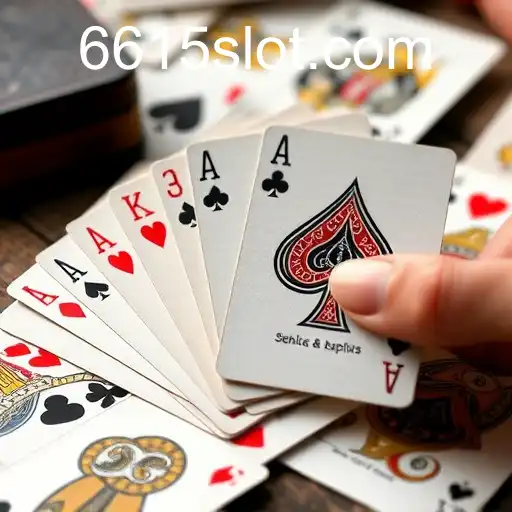
Card games have been an integral part of human entertainment for centuries. Their adaptability and the sheer variety of games that utilize a deck of cards have secured their place in households worldwide. From the casual player to the serious strategist, card games offer an inviting array of experiences.
The Historical Journey of Card Games
The origins of card games stretch back to ancient times, beginning in China during the Tang Dynasty. As they spread across the globe, they were individually adopted and modified by different cultures, resulting in an expansive variety of games.
Playing cards made their way to Europe in the 14th century, growing in popularity in countries like Italy and France. It was during this period that the suits we recognize today were standardized: hearts, diamonds, clubs, and spades. This uniformity allowed card games to flourish, creating a unified experience that transcends language and geography.
Varieties and Their Unique Appeal
One remarkable aspect of card games is their diversity. From solitaire to bridge, each game holds its own unique rules and appeal. Poker, for instance, has various forms such as Texas Hold'em and Omaha, each requiring different strategic approaches. Similarly, Blackjack influences a balance between chance and skillful decision-making.
In contrast, games like Uno focus more on fun and simple rules, ensuring they can be enjoyed by all ages. Educational card games have also emerged, designed to enhance learning outcomes while engaging players in cognitive challenges.
The Impact on Socializing and Culture
Beyond their entertainment value, card games have a significant cultural and social impact. They're a staple of family gatherings, and late-night sessions among friends. Games like Bridge and Canasta often require partnerships, promoting teamwork and communication.
Moreover, many card games have become integrated into cultural practices. In numerous societies, traditional card games hold ceremonies or gatherings signifying friendship, bonding, and tradition-passing to younger generations. Such games become more than mere leisure; they are essential social instruments.
Strategy and Psychological Elements
For those who engage in strategic card games, there's a psychological complexity that can't be ignored. Games like Bridge or Spades require not only a deep understanding of the rules but also the ability to read opponents and mislead them strategically.
The strategies adopted in a game of 6615 require an understanding of mathematical odds, risk management, and psychological tactics. It's this complexity that often draws players back, eager to improve their game through consistent practice and competition.
Entertainment Meets Competition
The competitive aspect of card games has given rise to international tournaments with significant prestige and prize money. Events like the World Series of Poker attract players globally, transforming card playing into a highly respected sporting competition.
Despite the professional atmosphere, human interaction remains at the heart of these events, bringing together people from diverse backgrounds in their love for the game.
Technological Integration and Innovation
Card games have gracefully transitioned into the digital age, with online platforms offering digital versions of classics like Poker or Solitaire. These platforms expand accessibility, allowing solo players or those separated by long distances to connect and compete.
Moreover, technology has led to innovative twists on traditional games, introducing unique mechanics and challenges different from those played with physical cards. This evolution ensures that card games remain relevant and engaging for new generations.
The Future of Card Games
Card games continue to evolve, adapting to modern needs while retaining the core elements that have made them cherished through the ages. The future appears promising with continual enhancements in gameplay, graphics, and interactive components on digital platforms.
As technology and tradition blend further, card games will undoubtedly keep enchanting players, offering new ways to enjoy both familiar and innovative experiences. Whether as a method of teaching, a competitive sport, or a casual pastime, the world of card games is boundless and full of potential adventures.
